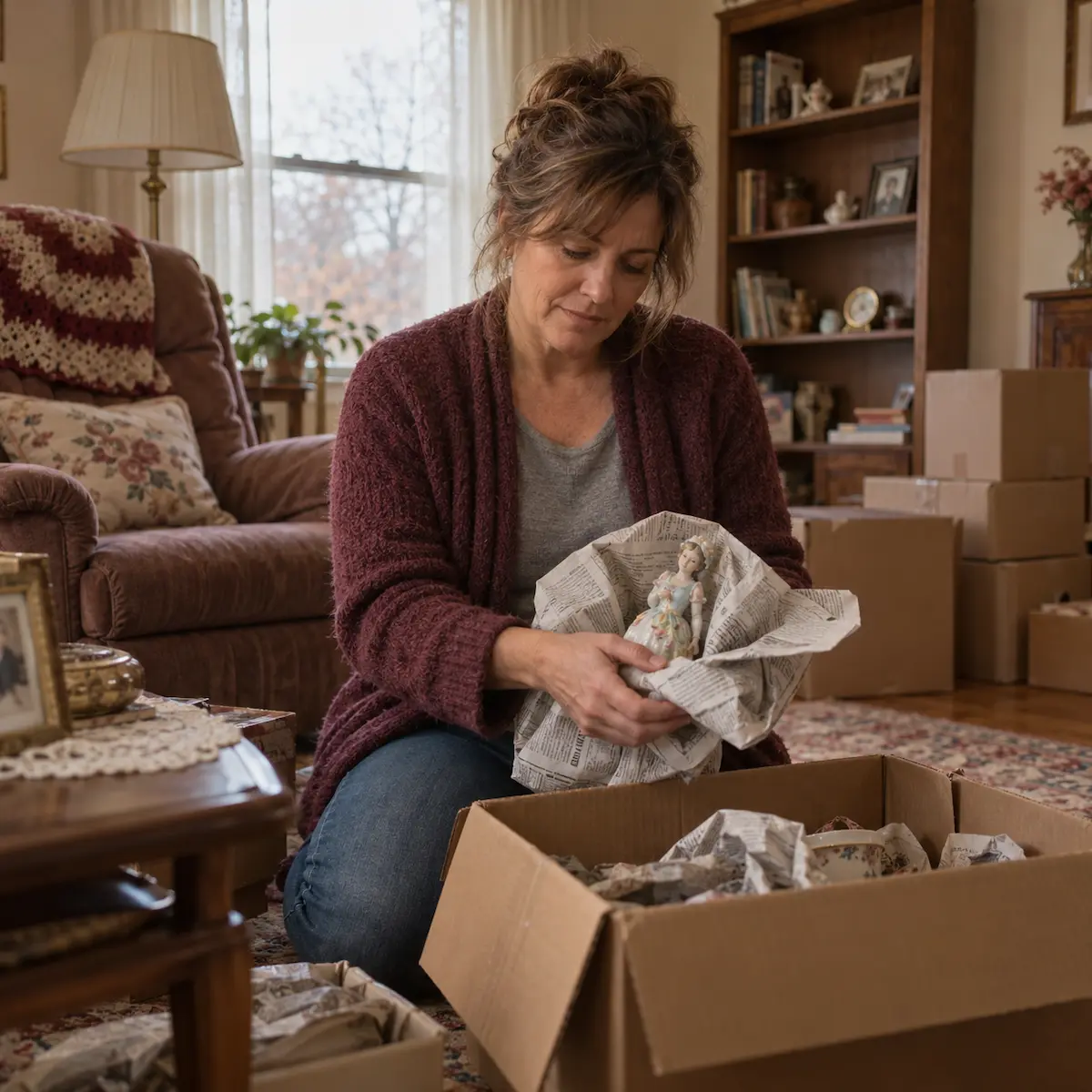
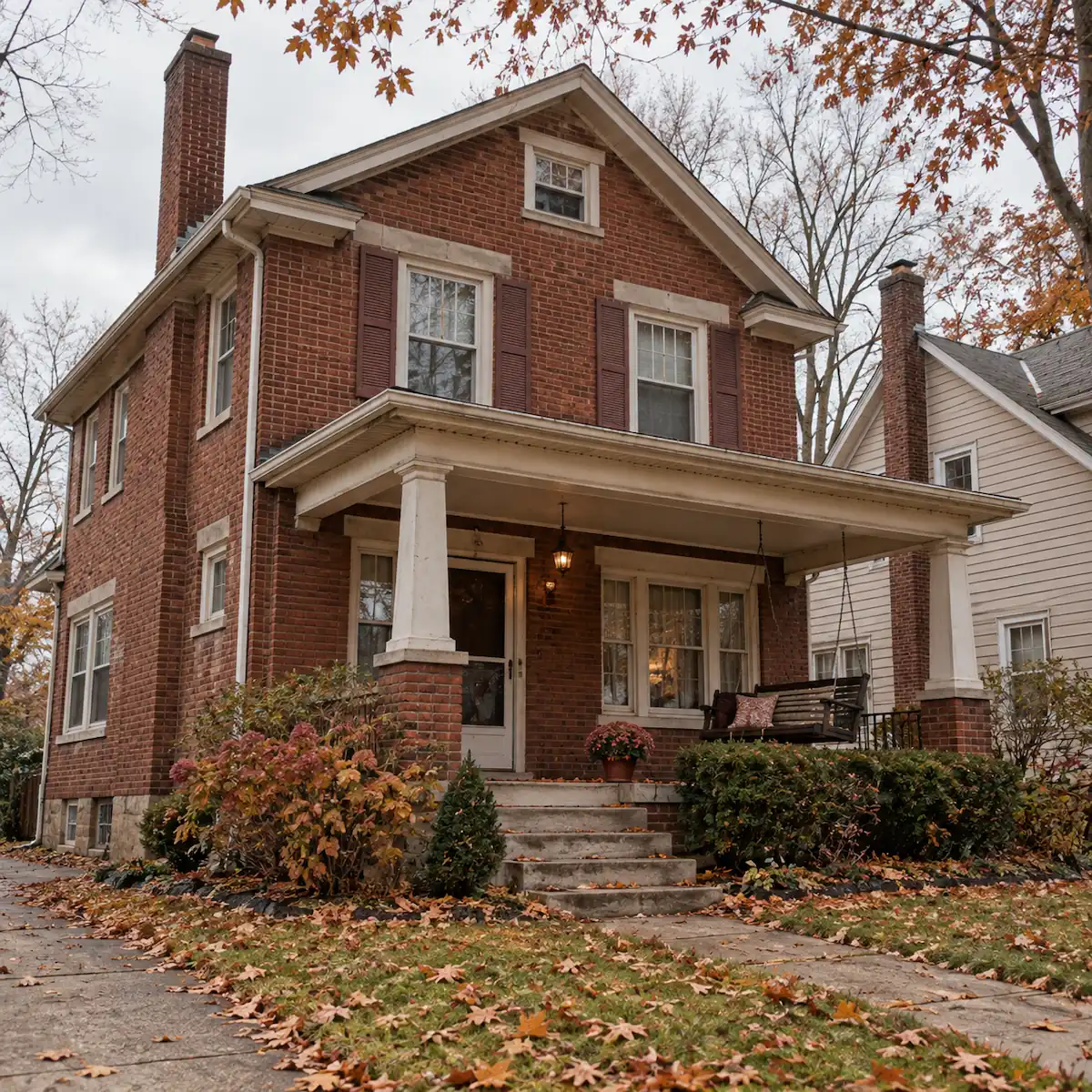
Selling Inherited Property in Youngstown, Warren & the Mahoning Valley

When a parent's house passes to you, the hard part usually isn't the house. It's the court paperwork, the siblings in three different states, and forty years of belongings in the basement. This guide explains exactly how an inherited house gets sold under Ohio law in Mahoning and Trumbull Counties, and where Tina can take the weight off.

The short answer

Yes, you can sell an inherited house in Ohio before the estate is closed. What you need is authority to sign the deed: a recorded affidavit of confirmation if your parent left a transfer on death affidavit, or Letters of Authority from the Mahoning or Trumbull County Probate Court together with a power of sale from the will or from every heir's written consent. Tina can give you a written offer at any stage and close once that authority is in place.

  • Take the keepsakes, leave the rest: furniture, the basement, the garage.
  • A written offer you can forward to your attorney and every sibling.
  • A closing date set by the estate's timeline, not ours.

Ohio law and local court details checked

Inherited house? Start here

Get a Written Offer for the Estate

Free, no obligation, and fine to request before probate is finished. Share it with the executor and family before anyone decides.

Private. Shared only with Tina's team.

No clean-out requiredLeave what you don't want
Works with your attorneyAnd the executor, and every heir
Offers during probateClose when the court allows
Mahoning & TrumbullA local buyer, not a call center

Start with the deed

How the House Was Titled Decides How Fast It Can Sell

Ohio gives an inherited house four common paths out of your parent's name. Pick the one that matches your family's situation. If you don't know which applies, the county recorder's online records will show whether a transfer on death affidavit was ever filed.

If your parent recorded a transfer on death affidavit

A transfer on death designation affidavit (ORC 5302.22) moves the house to the named beneficiary without probate. After the death, the beneficiary presents an affidavit of confirmation and a certified death certificate to the county auditor, then records it with the county recorder where the house sits (ORC 5302.222). A survivorship deed works much the same way for a surviving co-owner.

What you'll need

  • The recorded TOD affidavit (the recorder's office can pull a copy)
  • A certified copy of the death certificate
  • A signed, notarized affidavit of confirmation
  • Ohio's Medicaid estate recovery form, which the recorder must hand you before recording (ORC 5302.221)

Watch for

  • More than one beneficiary means every one of them signs the sale
  • A beneficiary who died first may change who inherits their share
  • Recording puts you on title, but the mortgage, taxes and any Medicaid claim still get paid from the sale

Usually the quickest route. No court case for the house. Once the affidavit of confirmation is recorded, the beneficiary can sell like any other owner.

If there's a will

The executor files the will with the probate court in the county where your parent lived and is appointed with Letters of Authority. What happens next depends on one sentence in the will: whether it gives the executor a power to sell real estate.

If the will grants a power of sale

  • The executor can sell without a separate court order (ORC 2113.39)
  • The title company will ask for the Letters of Authority and a copy of the will
  • The sale can happen while the estate is still open

If it doesn't

  • The surviving spouse and every beneficiary can sign written consents, filed with the court, giving the executor a power of sale (ORC 2127.011)
  • That route requires a price of at least 80% of the appraised value and isn't available if any beneficiary is a minor
  • Otherwise the executor asks the court for authority to sell (ORC 2127.04)

Moderate pace. The clock mostly depends on how quickly the executor is appointed and whether a power of sale already exists.

If there's no will

Ohio's intestacy law decides who inherits, and the probate court appoints an administrator, usually a surviving spouse or adult child. The administrator has no automatic power to sell the house, so the family chooses one of two paths.

Sell from the estate

  • Every heir signs a written consent to a power of sale, filed with the court (ORC 2127.011)
  • Or the administrator files a land sale action for court authority
  • An heir who can't be found forces the court route (ORC 2127.04(C))

Transfer it to the heirs first

  • The court issues a Certificate of Transfer putting the house in the heirs' names
  • It's recorded with the county recorder
  • Then all of the heirs sign the deed as co-owners

Depends on the family. When every heir agrees and is reachable, this moves steadily. Missing or disagreeing heirs are what slow it down.

If it's a small estate

When everything that has to pass through probate is worth $35,000 or less, or $100,000 or less when a surviving spouse inherits all of it, the court can release the estate from full administration (ORC 2113.03). The house's value counts toward that limit.

Why this matters here

  • Plenty of older houses in Youngstown, Campbell, Struthers and parts of Warren are worth less than $35,000 in as-is condition
  • If the house is the main asset, the estate may qualify for this faster process
  • A date-of-death value, not a guess, settles which side of the line you're on

How the house moves

  • The court's release order directs who receives the property
  • A Certificate of Transfer puts the house in the heirs' names
  • The heirs then sell together

Often weeks, not months. Ask a probate attorney whether the estate qualifies before opening a full administration.

Sources: Ohio Revised Code 2113.03, 2113.39, 2127.011, 2127.04, 5302.22, 5302.221, 5302.222. General information, not legal advice.

Step by step

How to Sell an Inherited House in Ohio, Start to Finish

The order families in the Valley actually go through it, from the week after the funeral to the day the estate gets paid.

  1. Protect the house

    Lock it, keep the furnace running through a Mahoning Valley winter, and call the homeowner's insurance agent. Many policies limit coverage once a house sits empty for 60 days, and a burst pipe in January is the most expensive surprise an estate can get.

  2. Find the paperwork

    Look for the will, the deed, the last tax bill, the mortgage statement, and any transfer on death affidavit. Search the Mahoning or Trumbull County Recorder's records by your parent's name to see what's recorded against the house.

    Tina can walk through and give you a written offer from here on.

  3. Open the estate or record the affidavit

    File with the probate court in the county where your parent lived, or record the affidavit of confirmation if there's a TOD affidavit. Once appointed, an executor or administrator can act for the estate.

  4. Get a date-of-death value

    The estate inventory needs the house's value on the date of death, and that same number usually becomes each heir's tax basis. An appraisal from a certified appraiser is the cleanest record.

  5. Choose how to sell and get the signatures

    Decide between listing, selling as-is, or keeping it, then line up the authority: the will's power of sale, every heir's written consent, a court order, or the heirs signing as owners.

    Tina's offer stays in writing so every heir signs off on the same number.

  6. Close and pay the estate

    At closing, the title company pays off the mortgage, back taxes, liens, and any Medicaid estate recovery claim from the proceeds. The rest goes to the estate account or the heirs, exactly as the will or the court directs.

Local courts

Mahoning and Trumbull County Probate Courts

An Ohio estate is opened in the probate court of the county where your parent lived, not where you live now. If Mom lived in Boardman and you live in Columbus, the case belongs in Youngstown.

Mahoning County Probate CourtYoungstown, Boardman, Austintown, Canfield, Poland and the rest of Mahoning County

Address
120 Market Street, 1st Floor
Youngstown, OH 44503
Phone
(330) 740-2310
Hours
Monday to Friday, 8:00 a.m. to 4:00 p.m.
Website
mahoningcountyoh.gov

First floor of 120 Market Street in downtown Youngstown. Closed on legal holidays, so check the calendar before driving in.
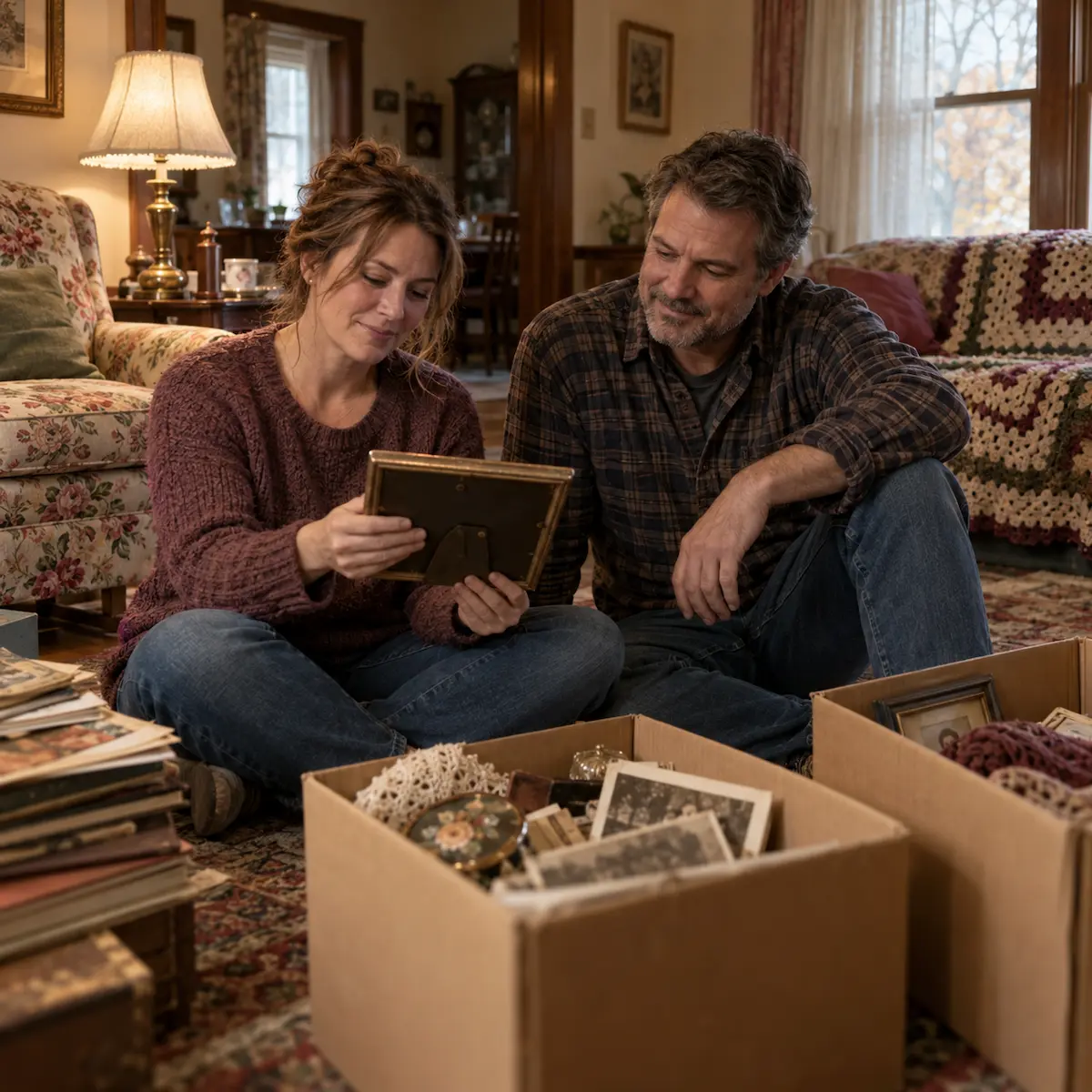

Trumbull County Probate CourtWarren, Niles, Girard, Howland, Hubbard, Cortland and the rest of Trumbull County

Address
Trumbull County Courthouse, 1st Floor
161 High Street NW, Warren, OH 44481
Phone
(330) 675-2521
Hours
Monday to Friday, 8:30 a.m. to 4:30 p.m.
Website
trumbullprobate.org

Inside the courthouse on Warren's Courthouse Square. Expect building security at the entrance.

Forms are statewideOhio probate courts use the Supreme Court of Ohio's standard probate forms, so the paperwork looks the same in both counties.
Staff can't give legal adviceCourt clerks can explain the process but can't tell you which forms to file or fill them out for you.
Real estate records are separateDeeds and TOD affidavits are at the county recorder, not the probate court.

Court addresses, phone numbers and hours taken from each court's official site on September 30, 2026. Call ahead to confirm.

While probate runs

What an Empty Inherited House Costs You in the Valley

Someone has to carry the house until it sells. These are the costs families here tend to underestimate.

  • Youngstown's vacant property registry

    A vacant house inside Youngstown city limits has to be registered with the city every year, $100 per residential structure, and kept secured with the lawn under eight inches. Skipping registration carries penalties of $50 a day, up to $1,000 (Codified Ordinance 546.13).

  • Winter and old plumbing

    Many Valley homes still have original galvanized lines and basement laundry plumbing. A furnace that quits during a January cold snap can split pipes, and many policies won't pay for freeze damage unless heat was kept on.

  • Insurance in the wrong name

    Your parent's policy was written for an owner-occupied home. Once the house is empty, the carrier may need to rewrite it as a vacant dwelling in the estate's name, usually at a higher premium.

  • Taxes keep arriving

    Ohio bills real estate taxes twice a year, and the tax credits a parent received as an owner-occupant or senior generally end once they no longer live there. Unpaid halves add penalties and eventually a tax lien.

Your options

Four Ways Families Handle an Inherited House

None of these is right for every estate. Here's how they compare on the things heirs actually argue about.

Comparison of selling an inherited house as-is to Tina, listing with an agent, renting it out, or keeping it
ConsiderationSell as-is to TinaList with an agentRent it outAn heir moves in
Clean-outNot needed. Leave what you don't want.Empty, cleaned and staged before photosEmpty and cleaned before a tenantFamily sorts it over time
RepairsNone. Sold as it sits.Whatever the buyer's inspection and lender requireMust meet code and rental registrationOn the heir who lives there
Estate's cash outNone beyond normal payoffs and taxes at closingCommission, seller closing costs, prep costsRepairs, insurance, managementOften a buyout of the other heirs
TimingCloses when the estate has authorityPrep time plus days on market plus buyer financingEstate stays open or heirs co-own long termDepends on buyout financing
Best forDated or damaged houses, out-of-town heirs, estates that need it settledUpdated, move-in-ready homes and heirs with timeHeirs who agree to be landlords togetherOne heir who wants the house and can buy out the rest

When listing will probably net you more

If the house is in good shape, nobody is in a hurry, and every heir agrees, a local listing agent will often put more money in the estate than a cash buyer can. Tina would rather tell you that up front than buy a house the family will regret selling.

  • Updated kitchen, bath, roof and mechanicals, especially in Canfield, Poland or Howland
  • The estate can cover taxes, insurance and utilities for several months
  • Someone local can manage showings, repairs and a buyer's inspection list
  • No mortgage default, tax foreclosure or code order is pushing the timeline

Working with Tina

How Tina Works With Families Settling an Estate

Selling a parent's house is rarely just a transaction. Tina keeps the process simple for whoever is doing the work, and clear for everyone who has to sign.

  • One offer, every heir

    The offer comes in writing, so the executor, the siblings and the attorney all see the same number and the same terms.

  • Take your time with the belongings

    Take the photos, papers and heirlooms. The furniture, the tools in the garage and the boxes in the basement can stay.

  • Built around the court's timeline

    Tina coordinates with your probate attorney and the title company, and the closing date waits for Letters of Authority, consents or a court order.

  • Heirs who live out of state

    Title companies can often handle an out-of-state heir's signature by mail or with a mobile notary, so nobody has to fly back to Ohio just to sign.

Plain-English terms

Ohio Inheritance Terms You'll Hear

The words that show up on court forms and title company emails, explained in a sentence or two.

Executor or administrator
The person the probate court appoints to handle the estate. An executor is named in a will; an administrator is appointed when there isn't one.
Letters of Authority
The court document proving the executor or administrator can act for the estate. Title companies ask for a current copy before any sale.
Power of sale
Legal authority to sell the estate's real estate. It comes from the will, from the heirs' written consents filed with the court, or from a court order.
Transfer on death designation affidavit
A recorded document naming who receives the house at death without probate. Ohio's version of a "TOD deed" (ORC 5302.22).
Affidavit of confirmation
What the TOD beneficiary records after the death, with a certified death certificate, to put the house in their name (ORC 5302.222).
Certificate of Transfer
A probate court document that moves real estate from the deceased owner to the heirs or beneficiaries, recorded with the county recorder.
Release from administration
Ohio's simplified process for estates worth $35,000 or less, or $100,000 or less when a surviving spouse inherits everything (ORC 2113.03).
Stepped-up basis
The federal tax rule that resets an inherited home's cost basis to its value on the date of death, which usually shrinks or erases the taxable gain on a prompt sale.
Medicaid estate recovery
Ohio's program for recovering Medicaid costs from the estate of a recipient who was 55 or older or permanently institutionalized (ORC 5162.21).
Partition action
A lawsuit that asks a court to divide or sell property when co-owners can't agree on what to do with it.

Questions heirs ask

Inherited Property FAQ for Mahoning and Trumbull County

Straight answers to what families ask most. For advice about your specific estate, talk with an Ohio probate attorney.

Tina Buys Homes buys houses directly from homeowners, estates and heirs. We are not a law firm, and this page is general information about Ohio law as of September 2026, not legal or tax advice. Probate rules depend on the facts of each estate, so confirm your route with an Ohio probate attorney. Every offer is made in writing, and you are never obligated to accept it.

No pressure, no clean-out

Talk Through the House Before Anyone Decides

Tell Tina where the estate stands and what shape the house is in. You'll get a written offer the whole family can review, and a straight answer if listing would serve you better.

Inherited homes Tina buys in: Youngstown, Boardman, Austintown, Canfield, Poland, Struthers, Campbell, Lowellville, Sebring, North Jackson, Warren, Niles, Girard, Hubbard, Howland, Liberty, Cortland, Newton Falls, McDonald, Mineral Ridge, Vienna and Champion.